Rechargeables - FREQUENTLY ASKED QUESTIONS


What is the difference between alkaline and rechargeable batteries?
Although there are many different types, batteries are generally divided into two types—primary and secondary. Primary batteries are used once and thrown away. Secondary batteries can be recharged and used again. Generally speaking, alkaline batteries are primary batteries. Rechargeable batteries contain reversible chemical materials, allowing them to be recharged again and again.


What are the different types of rechargeable batteries?
There are four different types of rechargeable batteries:

  • NiMH (nickel metal hydride) batteries
  • NiCd (nickel cadmium) batteries
  • LiIon (Lithium Ion) batteries
  • SLA (Sealed Lead Acid)

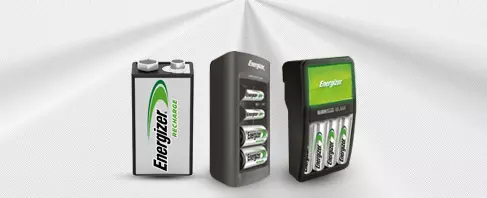
The basic components of each system are very alike—each consists of a positive electrode (cathode), negative electrode (anode), separator and electrolyte. But each battery chemistry is different, depending on its technology and each offers different performance characteristics. Energizer® offers a wide range of NiMH batteries, available in -AA, AAA, and 9 Volt sizes.


I am getting ready to try rechargeable round cell batteries in some of my more power hungry devices. Which system should I buy?
The introduction of high-capacity NiMH batteries is making the NiCd category virtually obsolete. Energizer® Rechargeable™ NiMH batteries combine high capacity with a higher number of recharge cycles. NiMH round cell batteries are 1 of the highest capacity rechargeable batteries in today's domestic retail market. And they're safer than NiCd for the environment.


What is the difference in the battery construction that makes NiMH batteries so much better than NiCd?
The main difference in the basic components is that the NiCd’s cadmium electrode is replaced with a rare earth-nickel alloy material in the NiMH. This material is capable of absorbing large amounts of H2, increasing its capacity over NiCd batteries.


What is the significance of the mAh of a NiMH battery?
NiMH batteries have varying mAh or milliamp ratings. These ratings indicate the power capacity of the battery. The higher the capacity, the longer the battery will last between charges. In a "1 hour" charger (CH1HR) AA 2500mAh batteries will be charged in approx. 76 mins and AA 2100mAh batteries will be charged in approx. 59 mins, i.e. lower mAh will be charged in less time.


Can you mix Nickel Cadmium (NiCd) batteries with Nickel Metal Hydride (NiMH)?
No, do not mix batteries of different chemistries.


Do Energizer® NiMH batteries need to be charged before using them for the first time?
Yes, Energizer® NiMH batteries are not fully charged upon purchase so they need to be charged before use. However, because they are not fully discharged, either, they should actually charge in less time than before first use.

Do Energizer® NiMH batteries have to be fully drained before recharging? Do they have a "memory"?
No. Energizer® Nickel Metal Hydride rechargeable batteries do not have the memory problems typically associated with Nickel Cadmium rechargeable batteries. NiMH rechargeable batteries can be recharged after a few hours of use or when convenient. If batteries have been stored for more than 1 month, be sure to recharge before using to maximize power.

Can alkaline batteries be used in an Energizer® charger?
No! Standard alkaline batteries are not designed to be recharged and should never be placed in any battery charger. Attempting to charge alkaline batteries will significantly increase the likelihood for leakage to occur.

How many times can Energizer® NiMH batteries be recharged?
AA 1700 mAh can be recharged up to 1000 times. The AA 2500 mAh has greater power capacity but can be recharged approx up to 500 times in the overnight mode. Capacity improvement will always decrease the number of cycles. Every cell available on the market above 2100 mAh will have below 1000 charge cycles.


Why do rechargeable batteries become warm while charging?
It is normal for batteries to become warm during the charge cycle. This is caused by the energy the charger is putting into the battery. Battery temperatures should return to room conditions within minutes after the charging process stops.


How long can I store NiMH batteries?
Typically up to 2 to 3 years if stored in relatively environmentally controlled conditions. To attain full capacity after extended storage may require several slow charge/discharge cycles to redistribute the electrolyte, etc.


How should I dispose of my NiMH batteries?
Nimh batteries contain no cadmium and are safer for the environment. You can dispose of these batteries with regular household trash.


What if I have a question about Energizer® batteries, but can’t find the answer on your site?
Just call 1-800-BATTERY (228-8379) and you will be directed to our customer service officer or engineer who will try to answer all your Energizer questions. Or Contact Us electronically and we'll get back to you within 24 hours.